The seal is the last thing your packaging line does, and the first thing your customer touches. It protects shelf life, shows the product hasn't been tampered with, and has to peel cleanly at the breakfast table. So when food manufacturers plan a new line, one question comes up again and again: should we use heat sealing or induction sealing?
The short answer is that the container usually decides for you. This guide explains how each method works, where each one fits, and what to check before you choose.
What Is Heat Sealing?
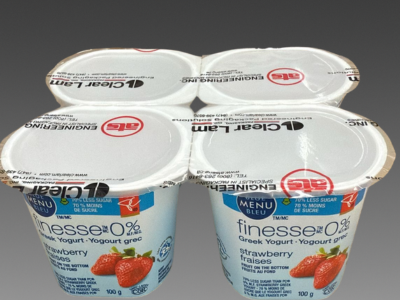
Heat sealing (also called conduction sealing) bonds a lid directly onto the flange of a cup or tub. A heated sealing head, or platen, presses the lidding material down onto the rim. Heat passes through the lid, melts its heat-seal coating, and fuses it to the container.
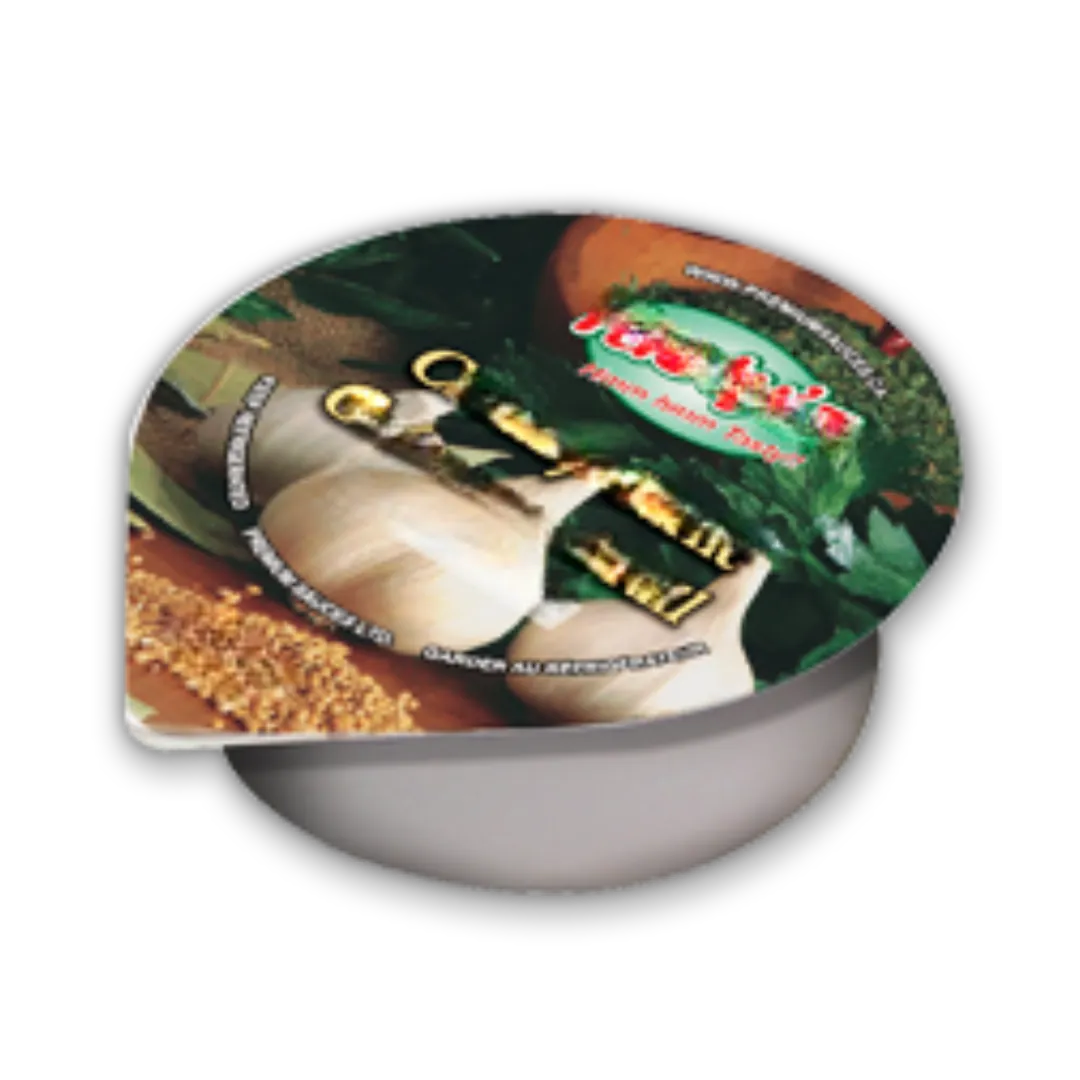
The lid can be a pre-cut foil or film lid placed by a foil seal pick & place system, or film from a roll that is sealed and then cut to shape. Printed roll film needs a film registration system to keep the artwork lined up on every cup.
Three variables control every heat seal:
- Temperature - hot enough to activate the coating without burning through the lid (our foil sealing systems run from 120°C to 220°C, depending on material)
- Pressure - even contact all the way around the flange
- Dwell time - how long the platen stays in contact
Heat sealing is the standard method for open-top food containers such as yogurt and dairy cups, hummus and dip tubs, deli salads, condiment portion cups, and coffee pods.
What Is Induction Sealing?
Induction sealing is a non-contact process for containers that already have a cap. A foil innerseal liner sits inside the cap. After the cap is applied, the container passes under an induction head. An electromagnetic field heats the aluminum layer in the liner, which melts a polymer coating and bonds the foil to the container rim, all without touching the package.
Because the energy has to reach a foil layer held tightly against the rim, induction sealing needs a cap and a foil-based liner. It is the usual choice for bottles and jars: nut butters, sauces, juices, supplements and pharmaceuticals.
Side-by-Side Comparison
| Factor | Heat Sealing | Induction Sealing |
|---|---|---|
| How it works | Heated platen contacts the lid | Electromagnetic field heats foil under the cap |
| Typical containers | Cups, tubs, trays, pods | Bottles and jars with caps |
| Cap required? | No (an overcap is optional) | Yes - the cap holds the liner in place |
| Lidding materials | Foil, plastic film, paper laminates | Foil-based liners only |
| Printed / branded lid | Yes - the lid is the visible top of the pack | Liner is hidden under the cap |
| Peelable seal | Yes, with the right coating | Yes, with the right liner |
| Tamper evidence | Yes | Yes |
| Integrates with cup fillers | Built into rotary and inline filling lines | Separate station after capping |
Rule of Thumb
If your product goes into an open-top cup or tub, you need heat sealing. If it goes into a capped bottle or jar and you want a foil innerseal, you need induction sealing.
Why Heat Sealing Dominates Cup Packaging
For cup and tub products, heat sealing has some clear advantages:
- The lid is the label. A printed foil or film lid carries your branding, and registration systems keep it aligned at production speed.
- One integrated line. Filling, sealing and overcapping happen in the same machine, whether it is a high-speed rotary or inline filler.
- A wide choice of materials. Foil, clear film and paper-based lids can all be heat sealed, which helps if you are moving to more recyclable packaging.
- Hermetic, peelable seals. Correctly set up, a heat seal is airtight yet still peels cleanly for the consumer.
- Built-in tamper evidence. A torn or lifted lid is obvious, which supports the requirements covered in our tamper-evident packaging guide.
Common Heat Sealing Problems (and What Causes Them)
Most seal failures come back to a small number of causes:
Leaks or channels in the seal
The most common cause is product on the flange. Drips, strings or splashes from the filling nozzle stop the lid from bonding. Accurate, drip-free filling (A.T.S. machines fill to ±0.2%) is as important as the sealing station itself. Viscous and particulate products such as hummus and deli salads need nozzles designed to cut off cleanly.
Weak seal or lid lifting
Usually the temperature is too low, the dwell time is too short, or the lid coating does not match the cup material (for example, a lid made for PP sealed onto a PS cup).
Lid too hard to peel or tearing
The seal is over-welded because of too much heat, pressure or dwell time, or the lidding is not specified as peelable.
Wrinkles or uneven seals
Look for worn or uneven sealing heads, platens out of parallel, or cup holders that no longer support the flange evenly. Regular inspection is part of any good packaging machine maintenance plan.
How to Choose: Questions to Ask
- What container are you using: open-top cup or tub, or a capped bottle or jar?
- Does the lid need to carry printed branding?
- What are the cup and lid materials, and are they compatible?
- Does the seal need to peel, or should the consumer cut or pierce it?
- What shelf life do you need, and will the product be hot-filled, chilled or ambient?
- How many cups per minute, and how many container sizes, will the line run?
Frequently Asked Questions
Can you induction seal a yogurt cup?
Not in the usual way. Induction sealing needs a foil liner held against the rim by a cap. Open-top dairy cups and tubs are heat sealed with a platen instead.
Is heat sealing airtight?
Yes. A correctly set heat seal on a clean flange produces a hermetic seal. Integrity depends on matching the lid to the cup material and controlling temperature, pressure and dwell time.
Do both methods provide tamper evidence?
Yes. A heat-sealed lid and an induction-sealed innerseal both show clear evidence once opened. For extra protection, many producers add a snap-on overcap or a shrink band.
Can one machine seal different cup sizes?
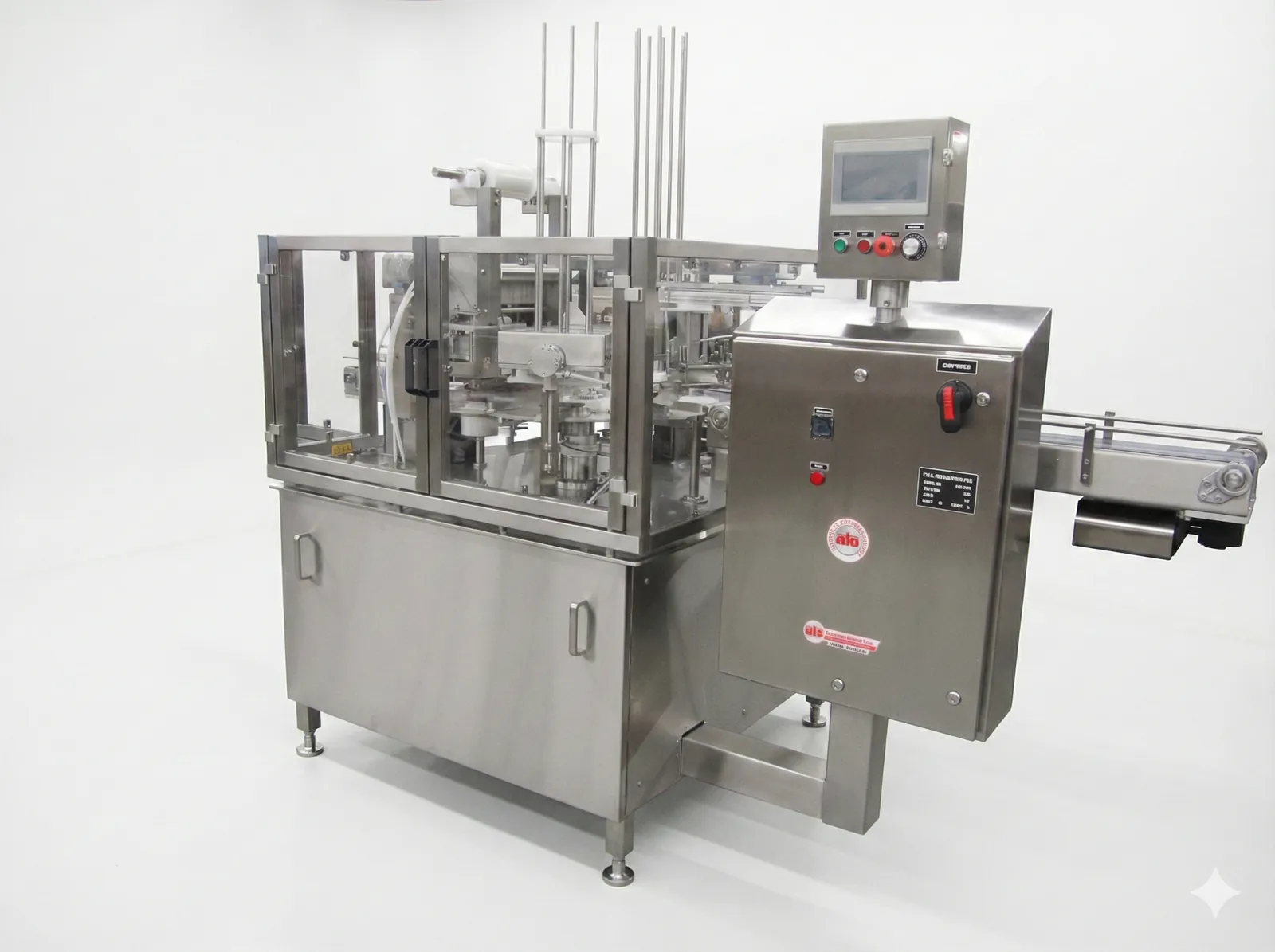
Yes. With change parts, a single cup filling and sealing machine can run several cup diameters. Our foil sealing systems handle lids from 40mm to 150mm.
Talk to a Sealing Specialist
A.T.S. Engineering has designed and built cup filling and sealing machines in Brampton, Ontario, since 1989. We build heat sealing into our rotary and straight-line machines and configure each system around your cups, lids and product. That includes foil pick & place, registered roll film, and tamper-evident options.
Not Sure Which Sealing Method Fits Your Product?
Send us your container and lidding details and our engineering team will recommend the right sealing setup for your line.